
The publication of the DFE’s new Writing Framework has prompted many primary schools to review their practice – whether that means making some deep changes, or just making tweaks. In response to the framework, the CLPE have published What We Know Works, and Writing for Pleasure have published their own detailed response. Both are excellent. I cannot recommend the latter enough for any school that really wants to engage with the research.
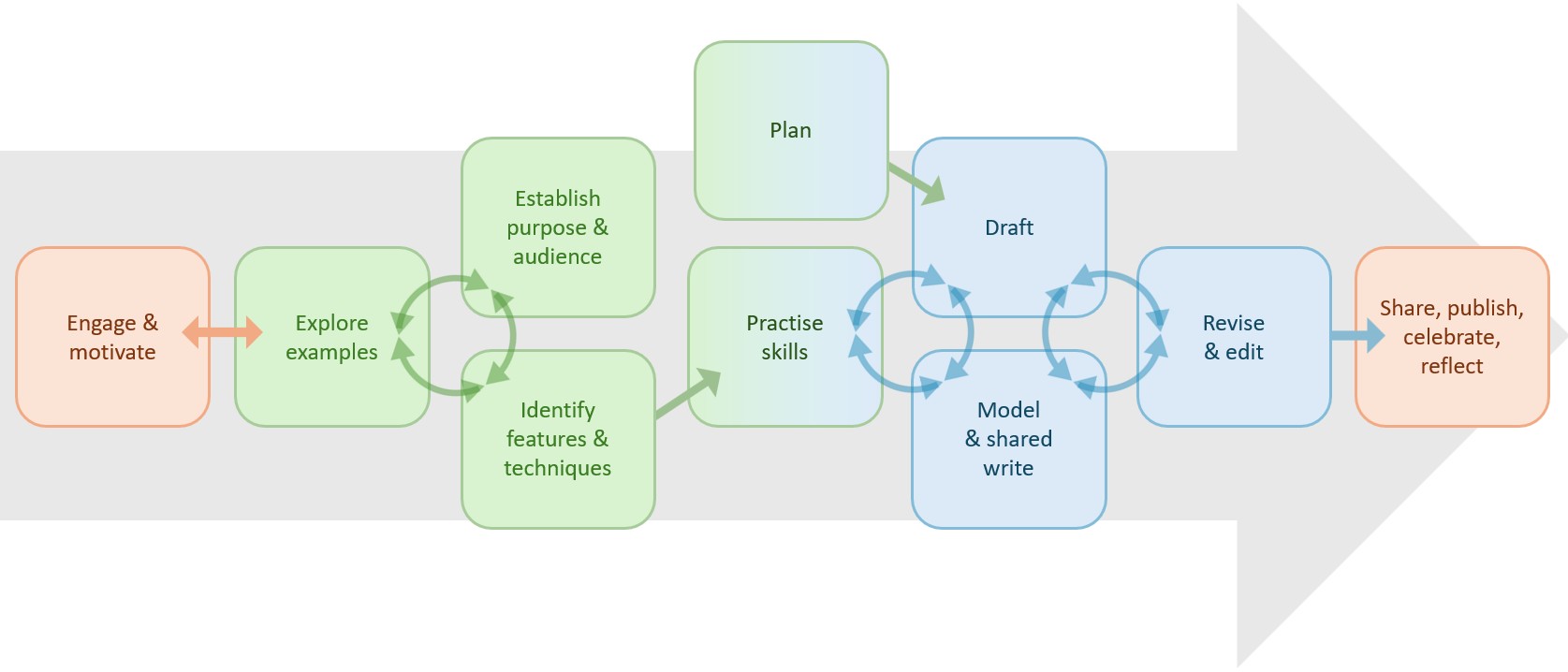
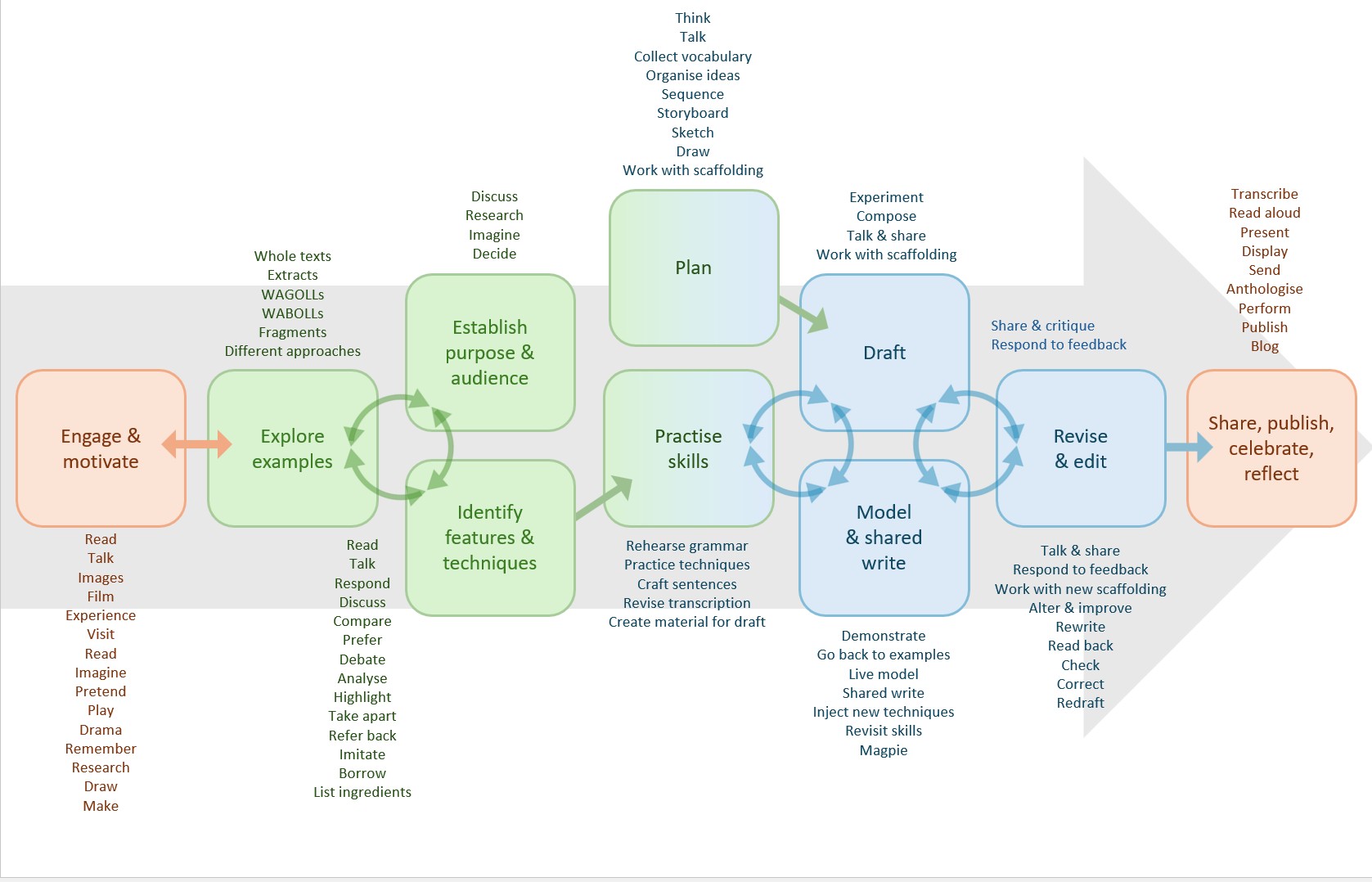
I’ve been working with schools on their approach to the ‘writing sequence’ – the series of activities leading up to pupils producing a ‘final’ piece of writing. The ‘writing sequence’ is rarely a linear following of stages (engage – read – practise skills – plan – draft – revise and edit – share.) In the classroom it is usually a more dynamic, looping process. At least it should be, if the teaching is responsive and adaptive to need. Something like this.
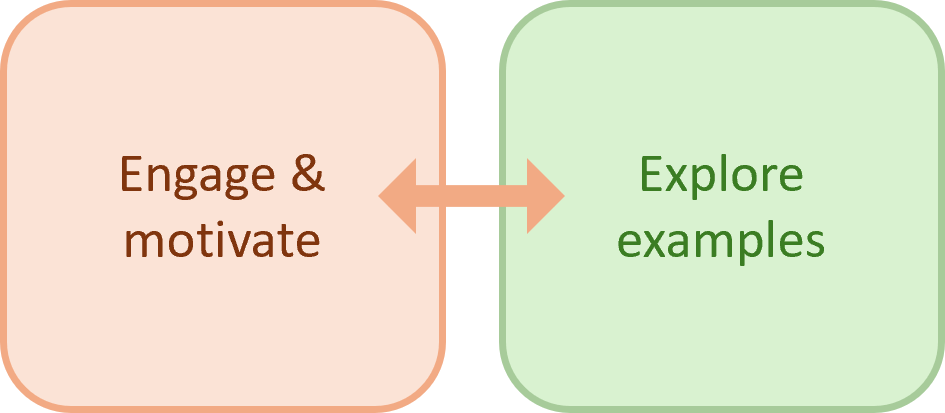
Engaging and motivating pupils never stops throughout, but crucially it is likely to be inextricable from the reading of model and related texts, as pupils are motivated to emulate what they have read, or are enthused by characters, themes and narratives, or are challenged by ideas.
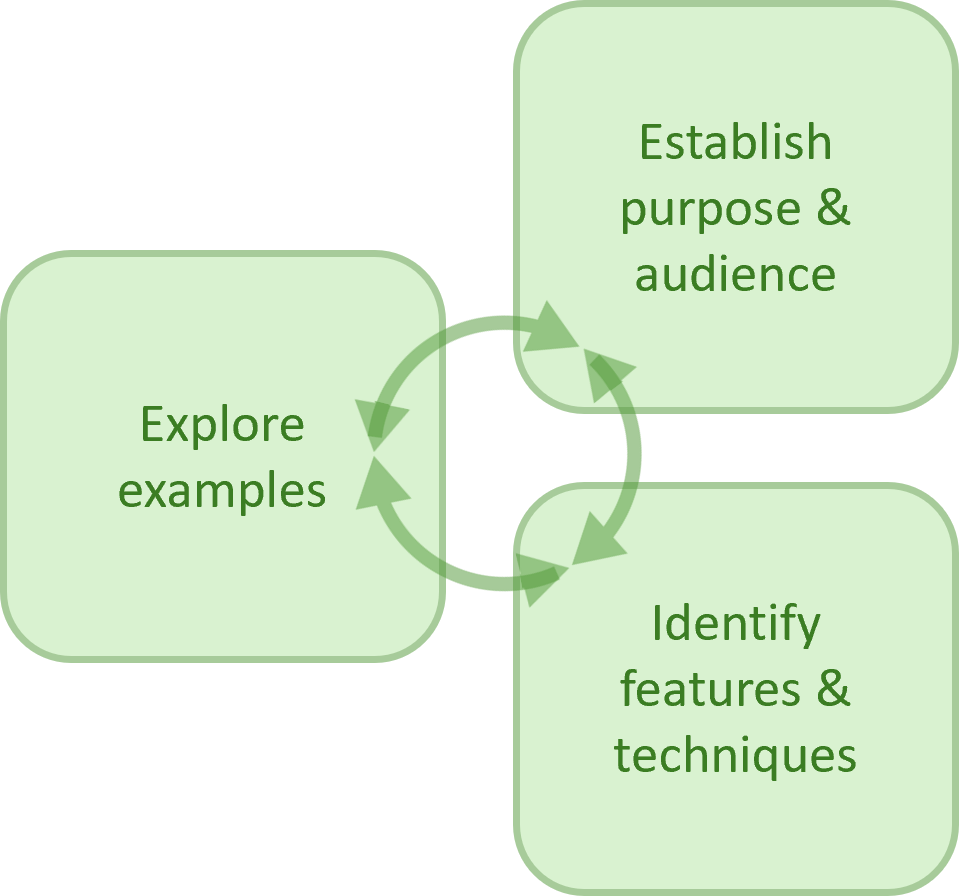
The exploration of those texts, the establishing of purpose and audience, and the identifying of features and techniques to be used in the writing are unlikely to be separate, but will overlap and drive each other. As pupils take texts apart to find out how they work, or analyse a writer’s craft, they may assemble ‘criteria’ and ingredients for their own writing, relating these to their intended purpose and how they will try to affect their audience.
Planning is likely to done in parallel with the practising of specific skills. And that practising is likely to spill into drafting, supported by teacher-led modelling and shared writing. As pupils work independently, the teacher may well take them back to specific skills, or introduce new ones to incorporate.
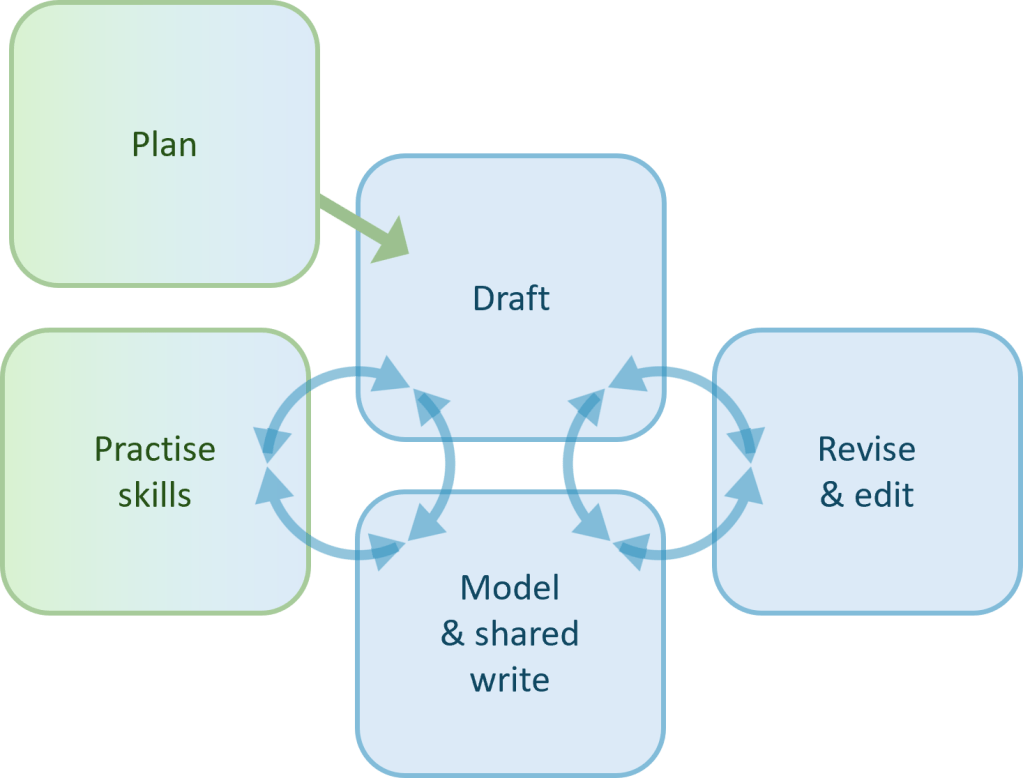
Meanwhile, revision and editing will be ongoing and part of the process – not just added on afterwards. Shared critique of work in progress will support the making of improvements.
This workshopping approach is not messy: it is authentic and productive. Writing is rarely a linear process, but is recursive and driven by feedback. And, in the classroom, it is highly social: each of the motor-like circlings in this graphic is powered by talk. And in the ‘menus’ of activities below, most of the suggestions involve talk of some kind.
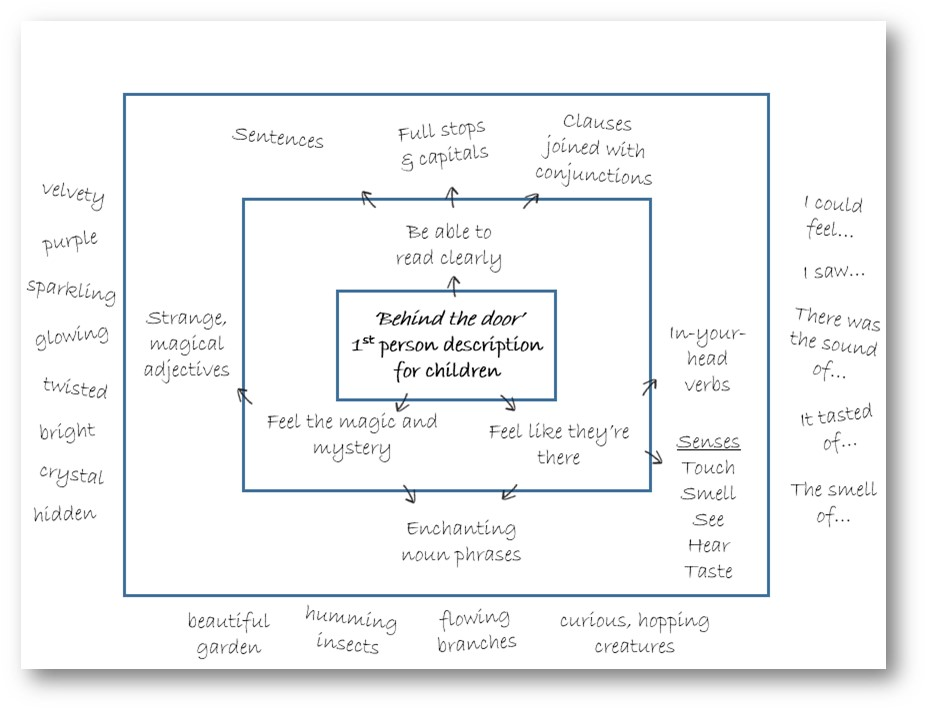
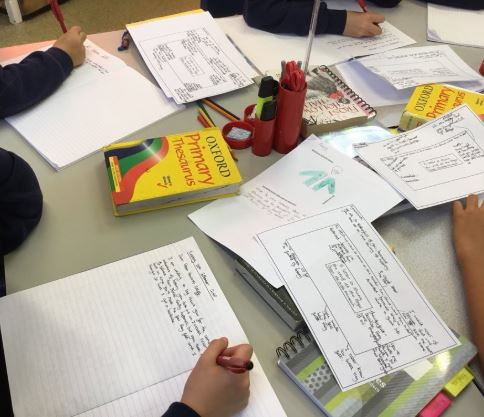
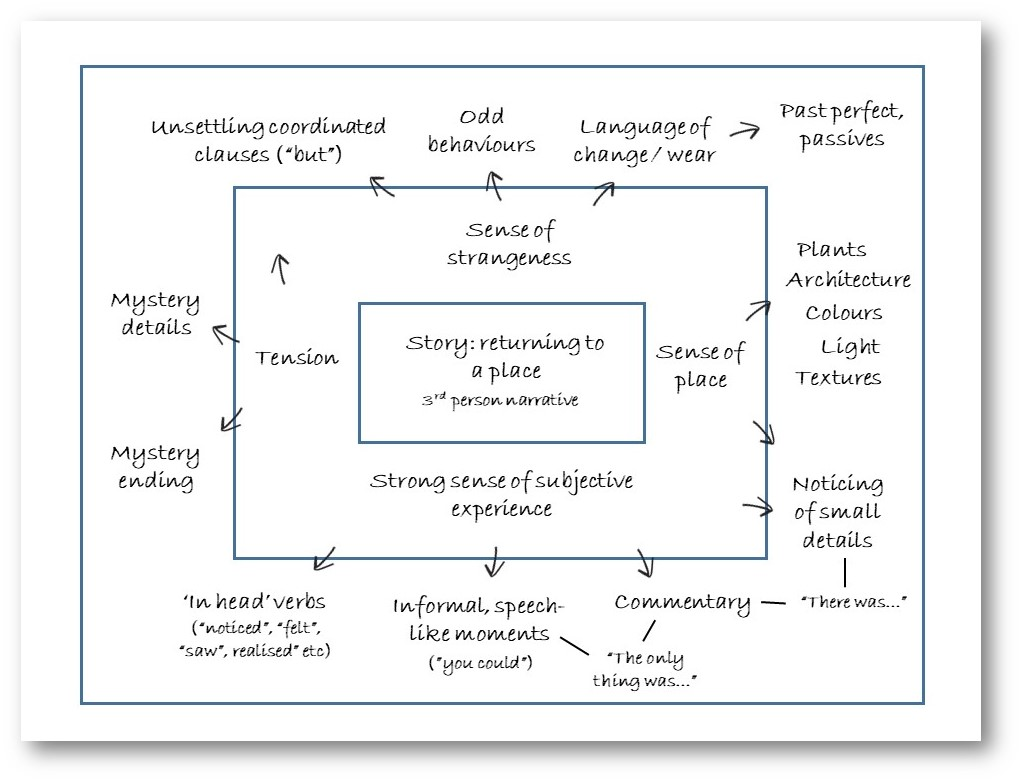
I would argue, of course, that the dynamic ‘boxed success criteria‘ approach (as outlined here) is ideal for this model, bringing together a consideration of purpose and audience with the identification of features in texts, which continues as pupils experiment, draft and revise in response to feedback.
See also: Reading as writers; writing as readers: an account of a Year 5/6 teaching sequence
 James Durran
Leave a comment